
Preserving the Past, Ensuring Future Preservation
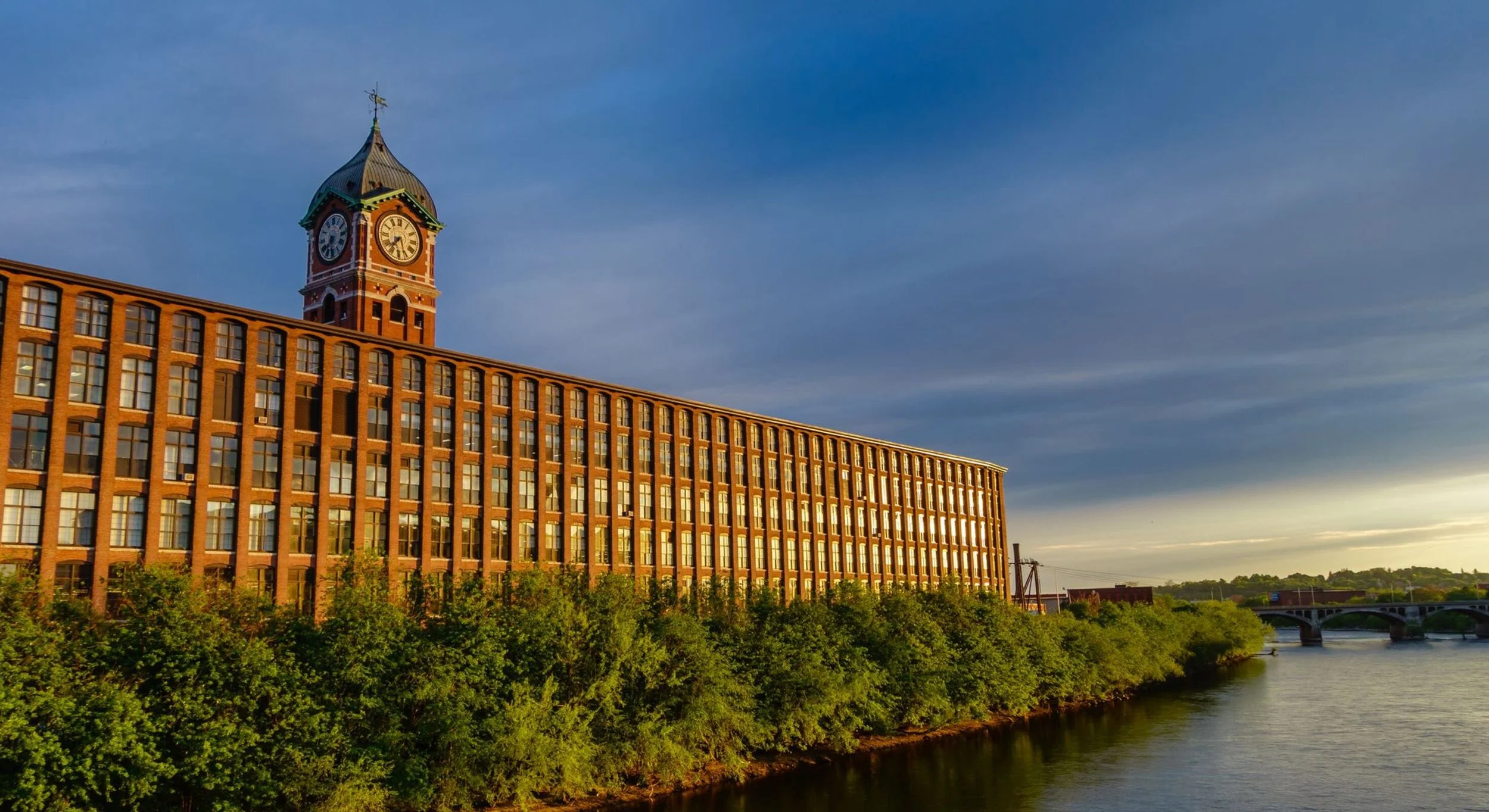
From the iconic landmarks that grace our skylines to the humble buildings that define our local communities, historic preservation plays a vital role in safeguarding America's rich cultural heritage. The United States has a remarkable history of preserving its past, dating back to the early efforts that sought to protect and honor the nation's historical treasures.
The seeds of historic preservation were sown in the 19th century when America's rapid urbanization threatened to erode its architectural heritage. Influential figures like Andrew Jackson Downing and Sarah Bradford Ripley advocated for the conservation of historic structures, recognizing their cultural and educational value. The founding of the Mount Vernon Ladies' Association in 1853, which saved George Washington's Virginia estate from ruin, marked a significant milestone in the preservation movement. Inspired by this success, the National Trust for Historic Preservation was established in 1949, aiming to protect historic sites across the country.
One of the key turning points in the history of historic preservation was the passing of the Antiquities Act in 1906 by President Theodore Roosevelt. This act empowered the President to designate and protect significant historical and cultural sites on federal lands. It led to the establishment of numerous national monuments, including the stunning Mesa Verde and the awe-inspiring Grand Canyon. In 1916, the National Park Service was created, further solidifying the commitment to preserve and maintain the nation's natural and historical treasures.
The 1960s and 1970s witnessed a surge in public awareness and activism for historic preservation. The demolition of Penn Station in New York City in 1963 fueled public outcry, spurring the passage of the National Historic Preservation Act in 1966. This landmark legislation created the National Register of Historic Places, providing recognition and protection to historically significant sites, districts, and landmarks. It also established State Historic Preservation Offices (SHPOs) to collaborate with federal agencies in preservation efforts within the various states in the Union.
The 1980s and beyond saw increased public and private investment in preservation projects, driven by growing appreciation for the economic, cultural, and environmental benefits they bring. Main Street revitalization programs, such as the National Main Street Center, played a pivotal role in restoring historic commercial districts and promoting economic development.
Despite the progress made, historic preservation in the United States faces ongoing challenges. Demolition threats, insufficient funding, and urban development pressures persist. Additionally, ensuring inclusivity and representation in preservation efforts remains an important goal.
Looking ahead, the future of historic preservation lies in adaptive reuse, sustainable practices, and harnessing the power of technology for documentation and education. Encouraging public engagement, fostering partnerships, and integrating preservation principles into urban planning are crucial for safeguarding America's diverse and cherished architectural heritage.
The history of historic preservation in the United States is a testament to our nation's commitment to preserving and celebrating its past. Through the efforts of dedicated individuals, organizations, and government initiatives, we continue to protect and cherish the architectural gems that tell the story of our collective heritage. Let us strive to be stewards of history, ensuring that future generations can appreciate and learn from the treasures that surround us.
But, in order to ensure that our current generations have something to contribute to future generations’ preservation efforts it is imperative that we remember and acknowledge that our most cherished historic districts were not constructed in a vacuum. Each preserved building is a testament to its time and place in history and we must strive to leave behind a heritage of architectural excellence in order for preservation to continue to evolve.